Veterinary advice should be sought from your local veterinarian before applying any treatment or vaccine. Not sure who to use? Look up veterinarians who specialize in poultry using our directory listing. Find me a Vet
Tick Paralysis

Tick paralysis is a potentially life-threatening condition of chickens caused by a neurotoxin in the saliva of the fowl tick (Argas persicus) larvae during feeding.

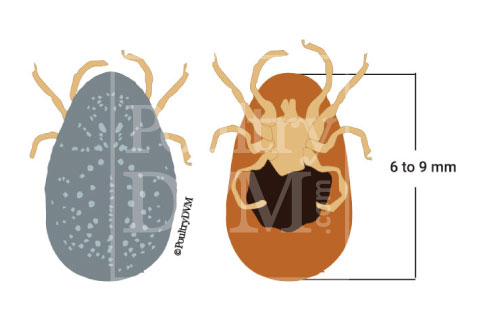
The fowl tick (Argas persicus) is a soft tick with a flattened, oval-shaped body. It is a common ectoparasite (external parasite) of chickens worldwide. As an adult, it is 6 to 9 mm long and a tan to reddish color before it feeds. After it feeds, it turns into a bluish color.
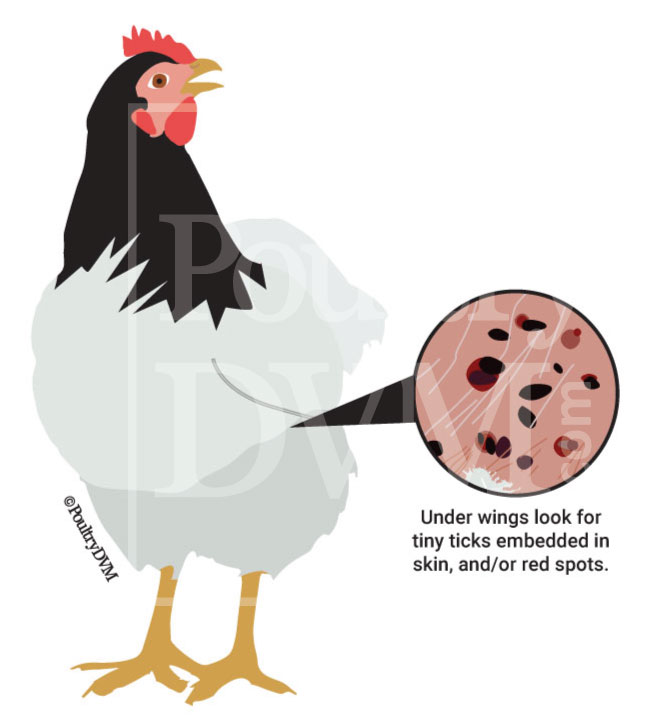
The adult and nymphs hide in cracks and crevices in the coop, or tree bark, during the daytime. At night, they leave their hiding spot to feed on the chickens as they sleep. Usually, it takes them between 15-30 minutes to feed. They leave behind red spots on the bird's skin, often under their wings.

Fowl Tick Life Cycle


Fowl ticks undergo four developmental stages. The adult female will lay close to 500 eggs in their hiding spot, which will hatch 10-30 days later (depending on the temperature). Once hatched, the larve will feed on the birds, and remain attached for several days. Once engorged with blood, they go back into their hiding spot and molt into the nymphal stage, followed by adult stage. Fowl ticks can live for very long periods (up to 4 years) without a blood meal, which means you must find where they are hiding to get rid of them.

Clinical Signs of Tick Paralysis in Chickens


Clinical signs of tick paralysis in chickens include sudden flaccid paralysis, loss of muscle tone (limp muscles), and reduced reflexes in the chicken's legs and wings. If the tick continues to feed it can lead to respiratory failure and death.

Treatment for Tick Paralysis in Chickens


Treatment involves supportive care, removal of the ticks from the bird's body and a single dose of ivermectin. The environment will need to be treated to eliminate the ticks (all stages) from the environment.

Clinical Signs

Sudden flaccid paralysis
Tiny dark specs (tick larvae) on chicken's skin

Diagnosis

  • History: History of ticks in the environment or recent wood furniture added (tree stumps or branches).
  • Clinical signs: Presence of tick larvae attached to the body or evidence of tick bites.

Treatment

NameSummary
Supportive careThe chicken will need to be brought inside to a warm, stress-free environment where they can be closely monitored and provided easy access to feed and water. Syringe or tube feeding may be necessary if the bird is not able to eat or drink on their own.
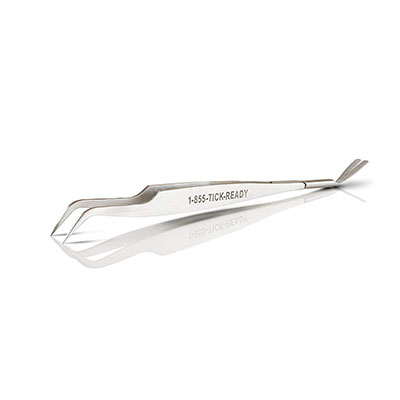
Tick removalUse fine-tipped tweezers to firmly grasp the tick as close to the skin as possible and pull upward with steady, even pressure. Store in tick in alcohol and apply triple antibiotic ointment.
Ivermectin0.2 mg/kg SubQ (single)A Salavati et al., 2025
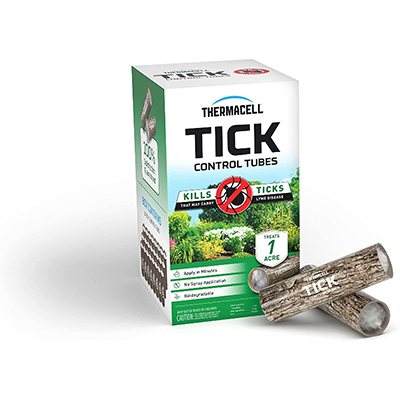
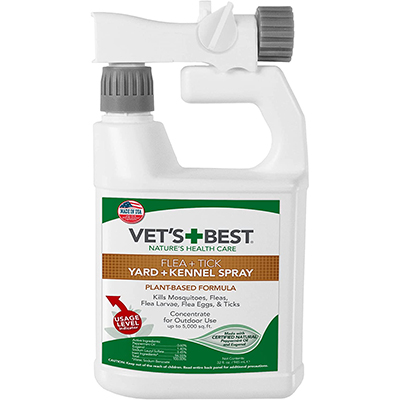
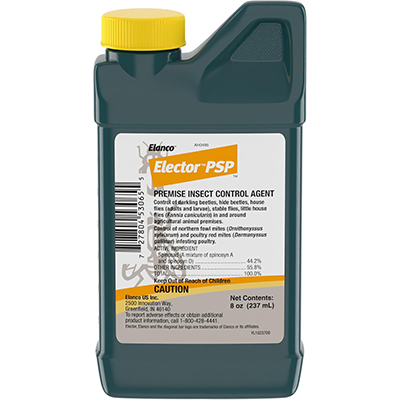
Control of ticks in the surrounding environmentAfter locating where the ticks are living, use a high-pressure washer or steam cleaner to spray into the crack or crevice where they are hiding. Apply a pesticide in their hiding spot and reapply several times.

Support

Prevention

  • Discourage wild birds since they can be carriers.
  • Thoroughly clean any branches, stumps, or other tree parts taken from the woods. The fowl tick often hides within the bark of trees.
  • Avoid coops built from rough sawn, unfinished timbers, especially tongue and groove styled.
  • Control rodent populations, as they can be carriers.

Scientific References

Risk Factors

  • Adding tree branches, stumps and other tree parts to the chicken run without thoroughly cleaning it first.
  • High populations of wild birds on the property.
  • Living near woods (or lots of trees).