
Veterinary advice should be sought from your local veterinarian before applying any treatment or vaccine. Not sure who to use? Look up veterinarians who specialize in poultry using our directory listing. Find me a Vet
| Name | Summary | |
|---|---|---|
| Supportive care | Isolate the bird from the flock and place in a safe, comfortable, warm location (your own chicken "intensive care unit") with easy access to water and food. Limit stress. Call your veterinarian as soon as possible. | |
| Pain medication | ||
| Assistance feeding or modified foods | May be needed if the bird is unable to eat on their own. Provide soft foods until the new layer of keratin underneath hardens | |
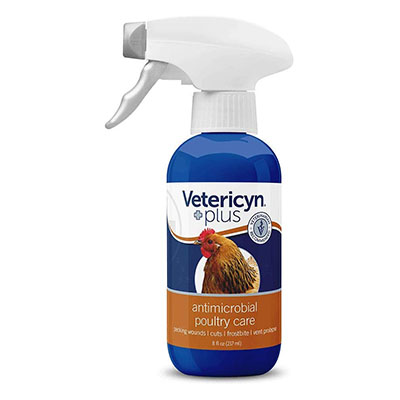
| Keep the beak clean | Spray Vetericyn or alternative product on the affected area a few times a day. | |
| Antibiotics | May be needed to help prevent secondary infections, especially in cases of severe beak injuries and if predators are involved. | |
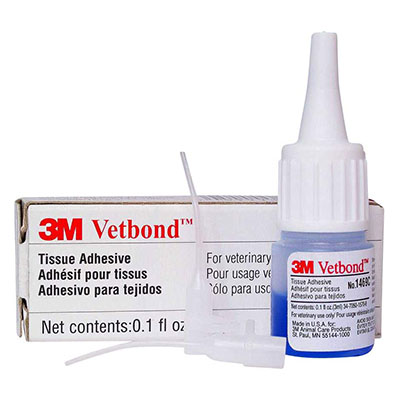
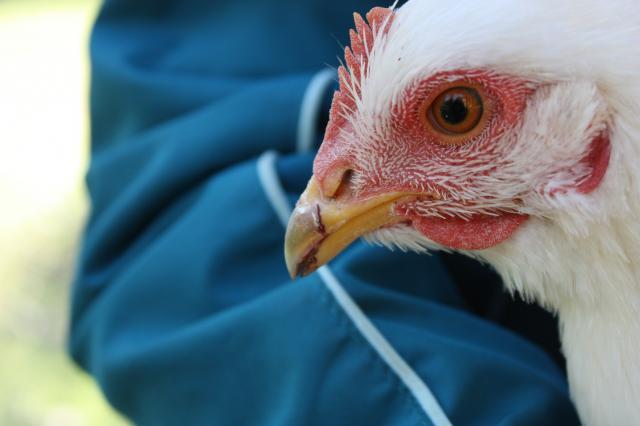
| If only the top hardened layer of the beak is damaged | It can sometimes be glued back into position (epoxy resin glue, super glue, or bone cement) or covered with dental acrylic | |
| Severe beak injuries may require reconstruction or debridement surgery. |



© 2026 PoultryDVM All Rights Reserved.