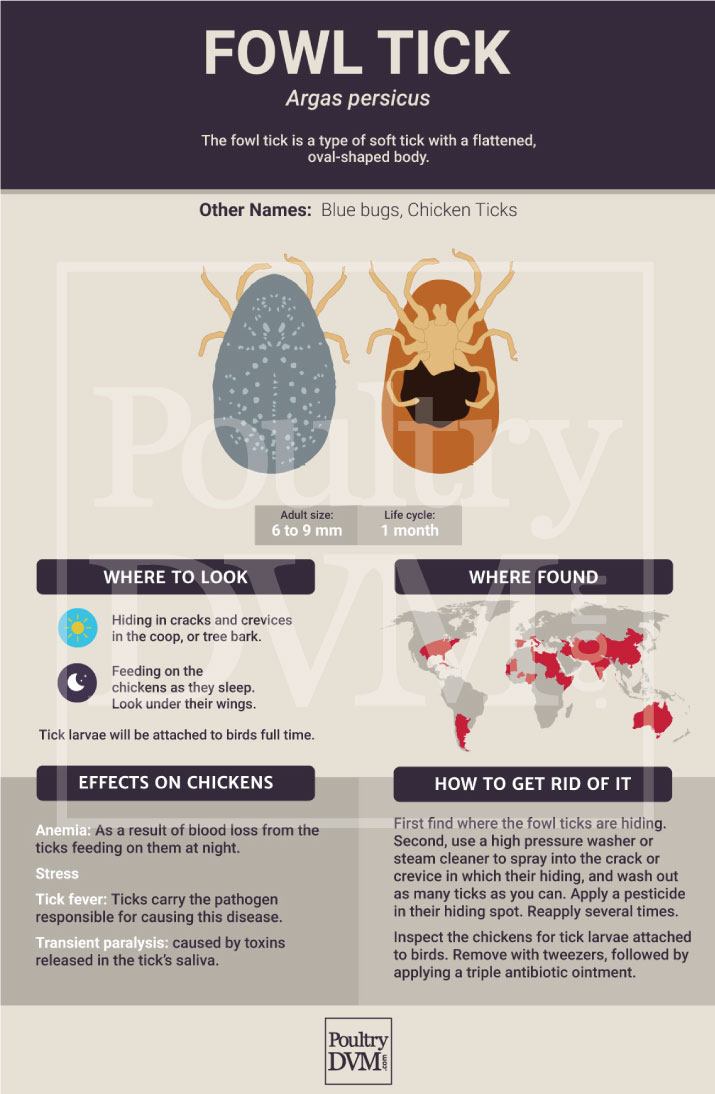
The fowl tick (
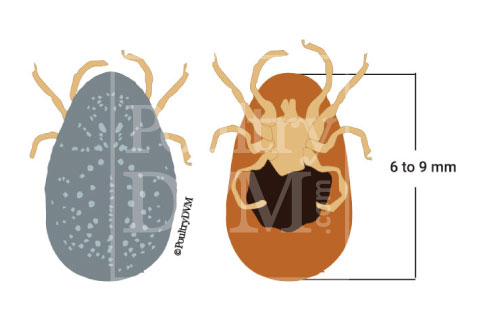
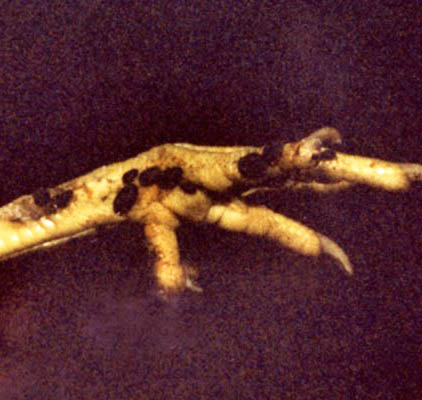
Argas persicus) is a soft tick with a flattened, oval-shaped body. It is a common ectoparasite (external parasite) of chickens worldwide. As an adult, it is 6 to 9 mm long and a tan to reddish color before it feeds. After it feeds, it turns into a bluish color, hence the nickname given to the pest, 'Blue bug'.
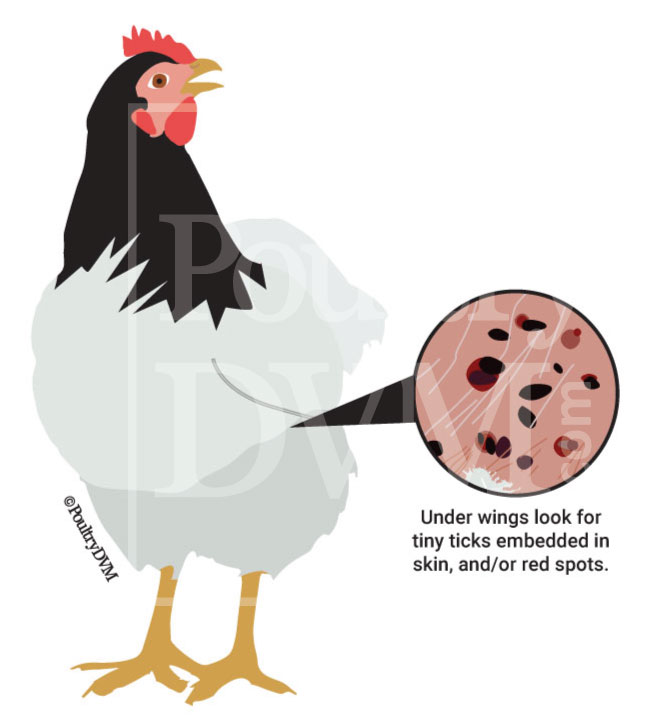
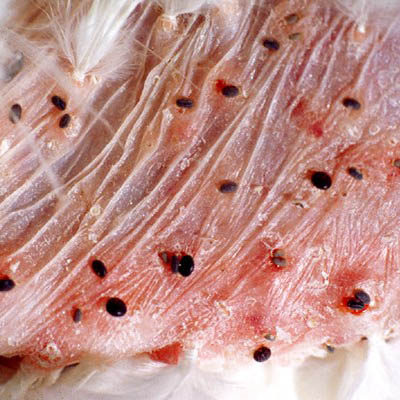
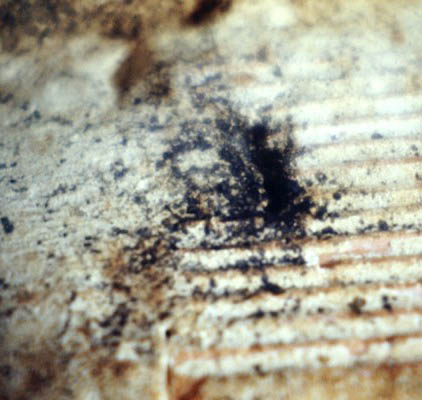
The adult and nymphs hide in cracks and crevices in the coop, or tree bark, during the daytime. At night, they leave their hiding spot to feed on the chickens as they sleep. Usually, it takes them between 15-30 minutes to feed. They leave behind red spots on the bird's skin, often under their wings.
Fowl Tick Life Cycle
Fowl ticks undergo four developmental stages. The adult female will lay close to 500 eggs in their hiding spot, which will hatch 10-30 days later (depending on the temperature). Once hatched, the larve will feed on the birds, and remain attached for several days. Once engorged with blood, they go back into their hiding spot and molt into the nymphal stage, followed by adult stage. Fowl ticks can live for very long periods (up to 4 years) without a blood meal, which means you must find where they are hiding in order to get rid of them.
Effects of Fowl Ticks on Chickens
- Anemia: As a result of blood loss from the ticks feeding.
- Stress
- Avian Spirochetosis: Ticks can be carriers of transmit the spirochete Borrelia anserina to chickens while feeding.
- Tick paralysis: A potentially fatal condition caused by toxins released in the tick’s saliva.
How to Control Fowl Ticks in Chicken Coops
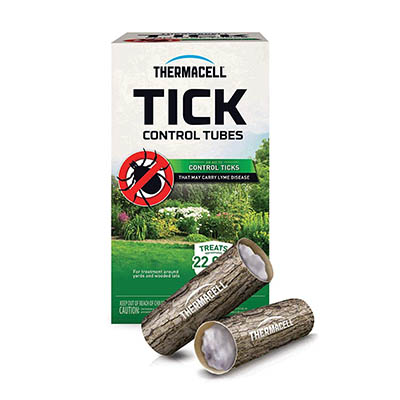
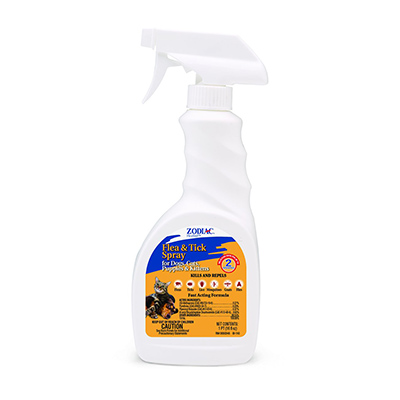
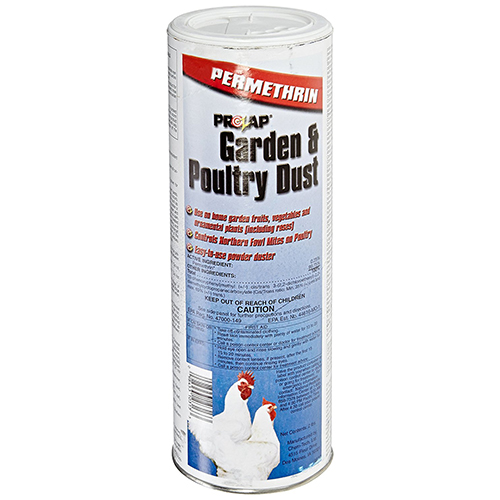
After locating where the ticks are living, use a high-pressure washer or steam cleaner to spray into the crack or crevice where they are hiding. Apply pesticide in their hiding spot and reapply several times.