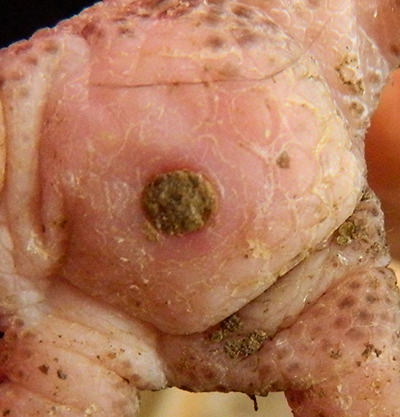
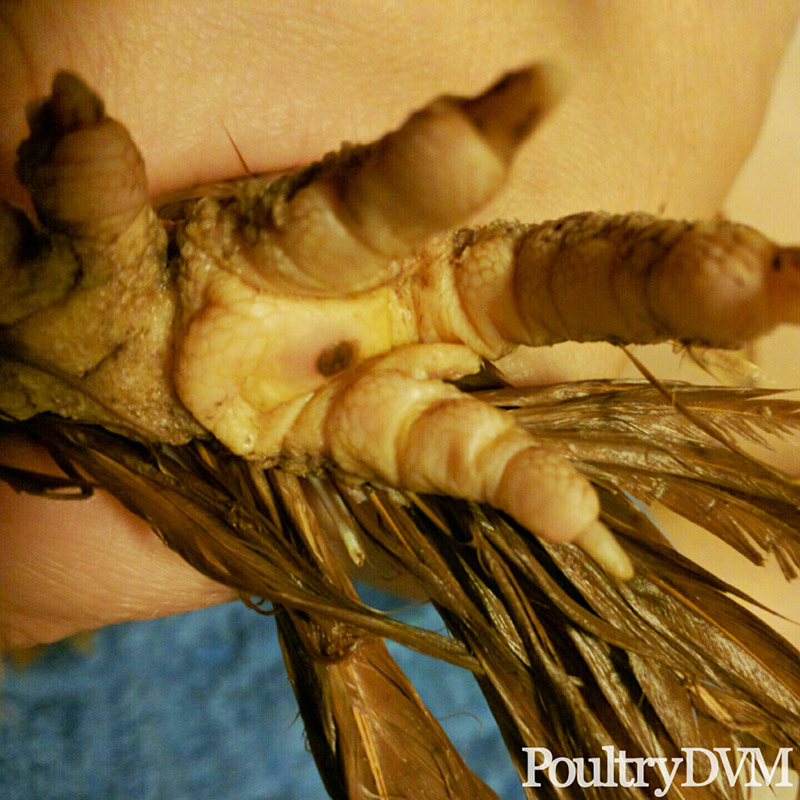
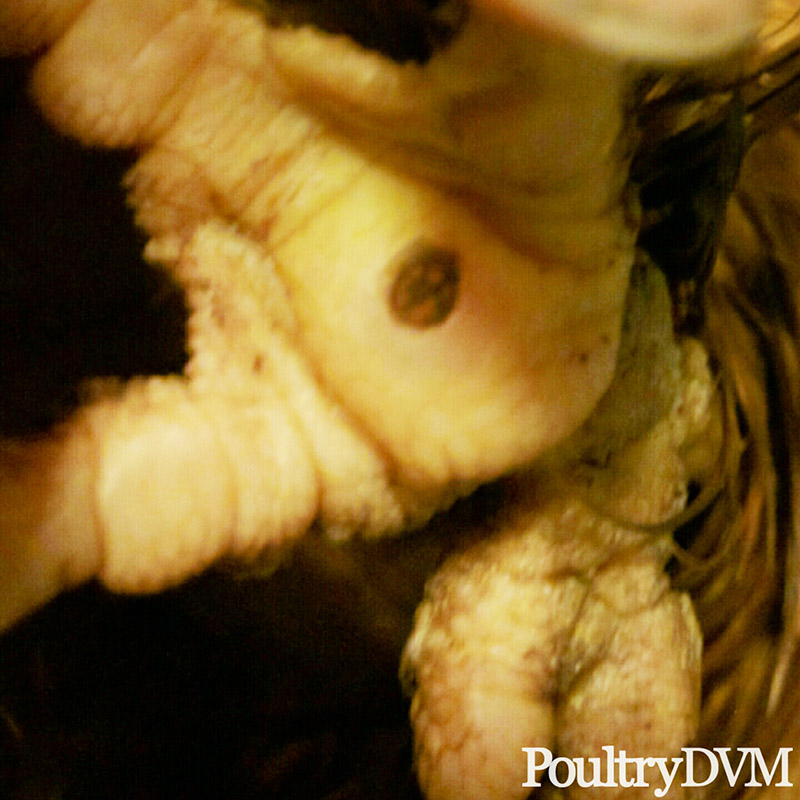
Bumblefoot, or pododermatitis, is a common inflammatory condition affecting the plantar surface (bottom) of a chicken’s foot. It is most frequently characterized by a firm, pus-filled abscess covered by a brown to black colored scab. Affected areas typically exhibit varying degrees of swelling, heat, and erythema (reddening of the skin). As the condition progresses, pain increases, and birds may become reluctant to walk or appear lame.
Bumblefoot is widely observed in captive avian species, including chickens, penguins, flamingos, raptors, and waterfowl. Preventive measures should therefore be incorporated into both housing design and daily flock management practices.
Bumblefoot Predisposing Factors
Several factors increase the risk of developing bumblefoot:
- Large body size: Heavier birds exert greater pressure on the bottom of their feet, increasing susceptibility.
- Skin wounds: Even minor abrasions can serve as entry points for opportunistic bacteria.
- Overgrown toenails: Excessively long nails can alter weight distribution and interfere with normal movement and perching. Therefore, it may be necessary to trim their nails.
- Poor or imbalanced diet: If chickens aren't receiving a balanced diet, complete with enough vitamin A and biotin, it can compromise skin integrity, resulting in dry, flaky skin. This decreases the strength of their skin, which acts as a barrier to protect their feet from invasion by bacteria.
- Leg or foot deformities: Chickens with leg or foot deformities may result in uneven pressure distribution on a foot.
- Social stress (bullying): Birds lower in the pecking order may experience increased physical stress from frequent fleeing or jumping.
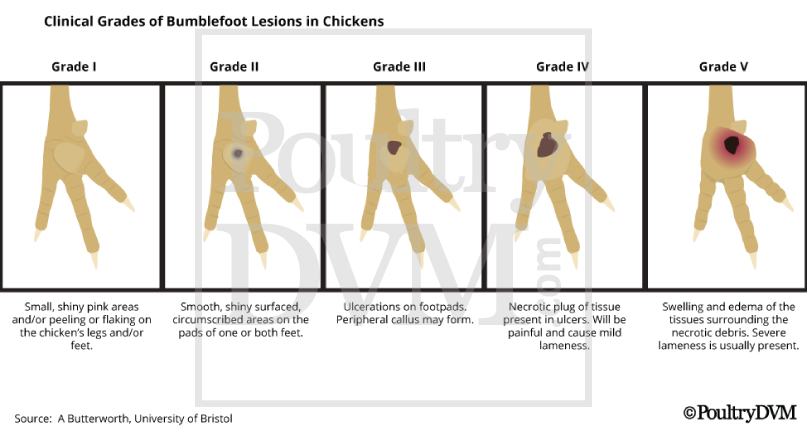
Grading of Bumblefoot
Bumblefoot severity is commonly classified using a five-grade scale:.
- Grade 1: Loss of normal epidermal texture, appearing as a smooth, reddened area or small superficial lesion without infection.
- Grade 2: Early infection of underlying tissues without obvious swelling.
- Grade 3: Abscess formation with serous or caseous exudate associated with a fibrotic lesion.
- Grade 4: Advanced infection involving deeper structures, often with significant swelling. Chronic lesions may be associated with tenosynovitis, arthritis, or osteomyelitis.
- Grade 5: Severe deformity with loss of function.
Early-stage lesions may initially appear mild; however, once the skin barrier is compromised, bacterial infection can develop rapidly. Behavioral changes and early lameness may be the first indicators of pain.
Bumblefoot Treatment
Treatment depends on the severity of the condition. Early intervention improves outcomes and may prevent progression.
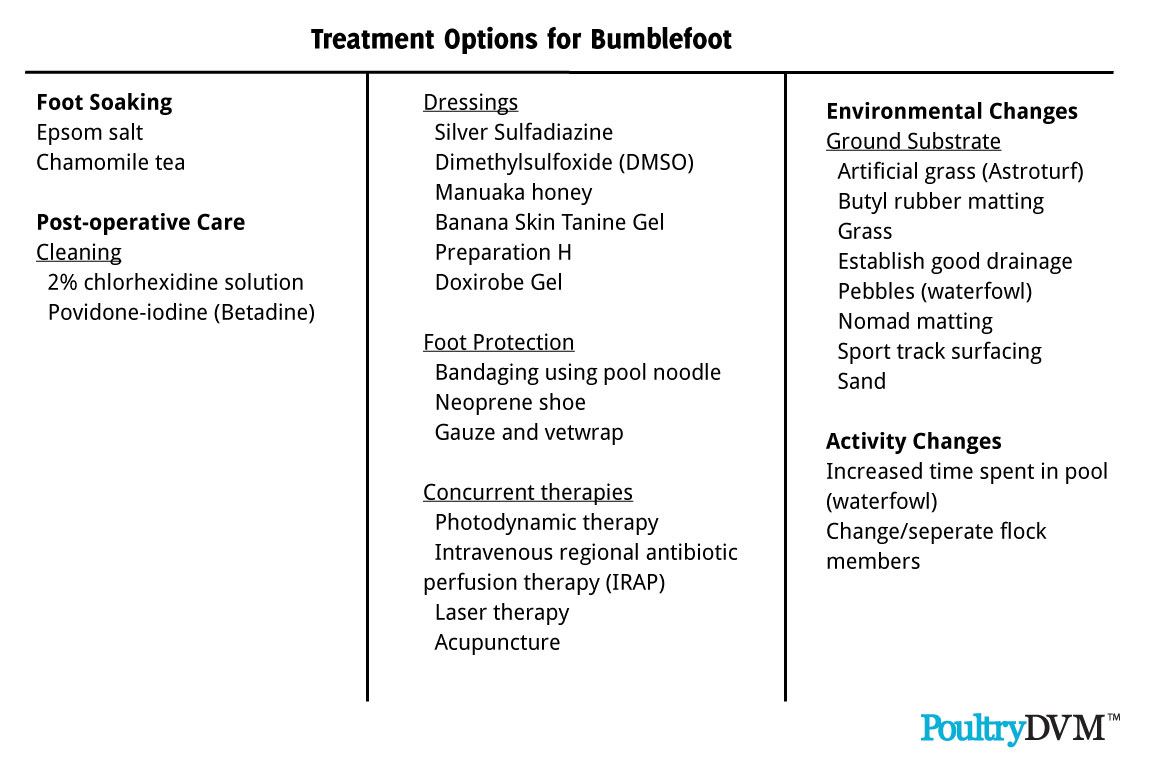
General treatment approaches include:
- Environmental Modifications: Improve hygiene, reduce moisture and mud accumulation, and provide softer, even footing. Modify perches (e.g., add cushioning such as Astroturf) to reduce pressure on the feet.
- Foot soaks: SSoaking the affected foot in warm water, with or without Epsom salts or dilute chlorhexidine, can help soften scab tissue and facilitate treatment.
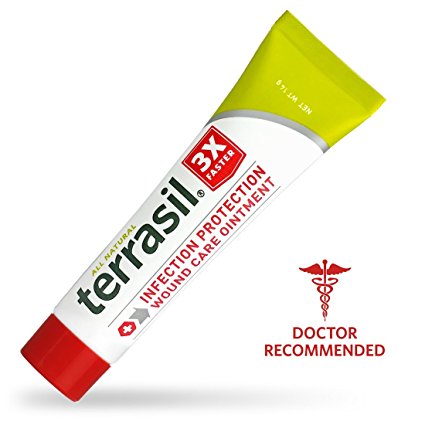
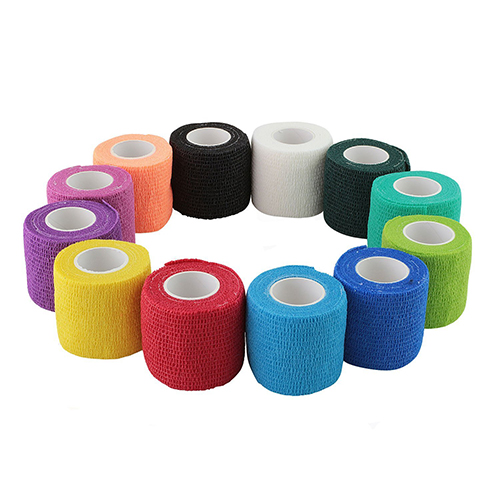
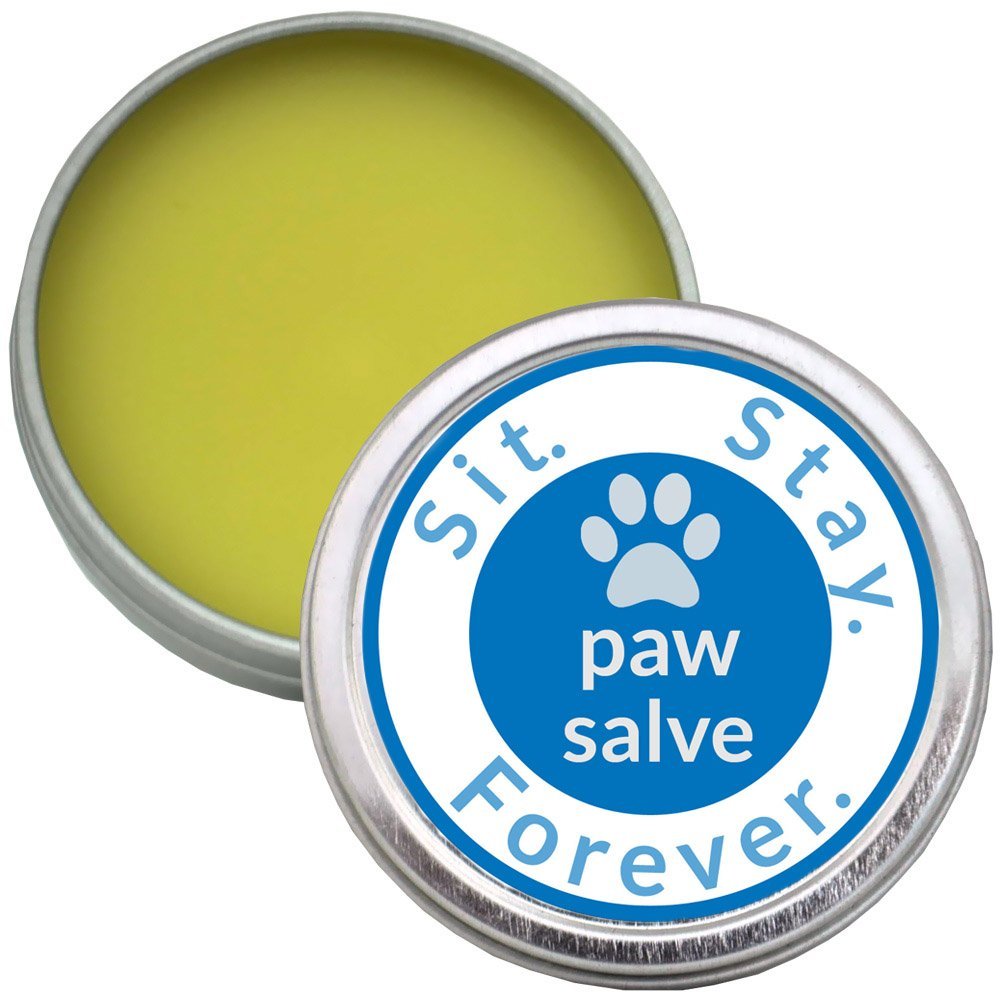
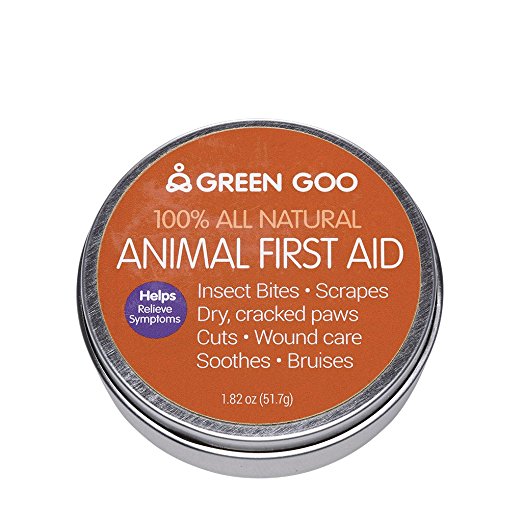
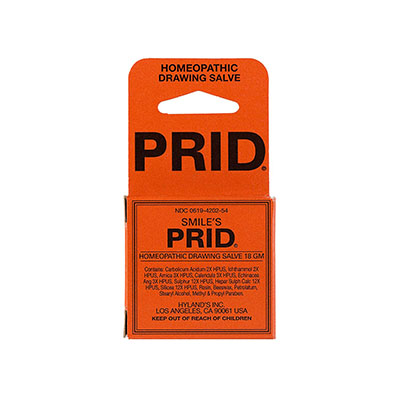
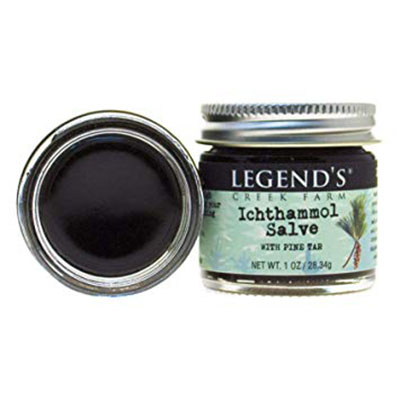
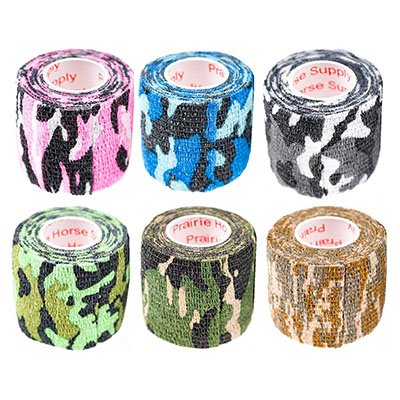
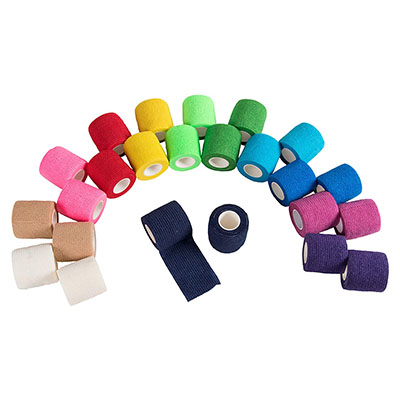
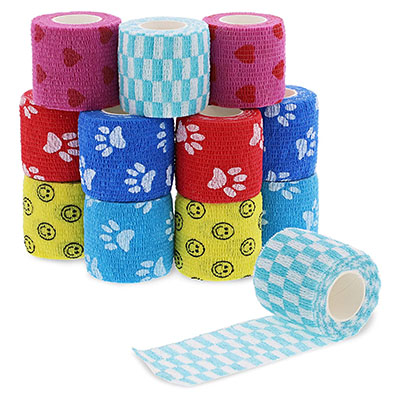
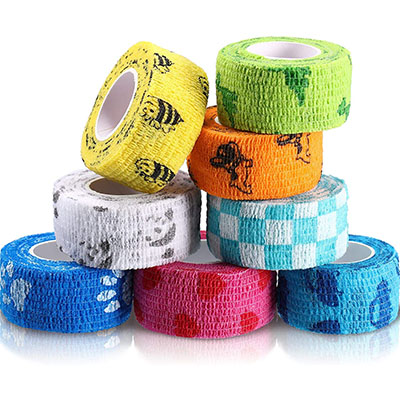
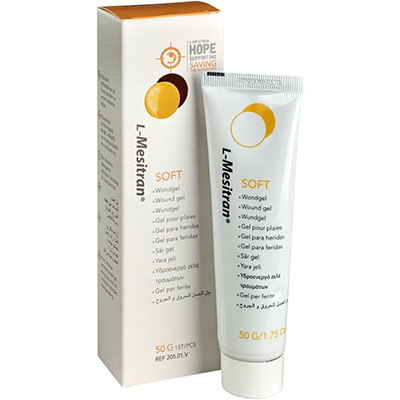
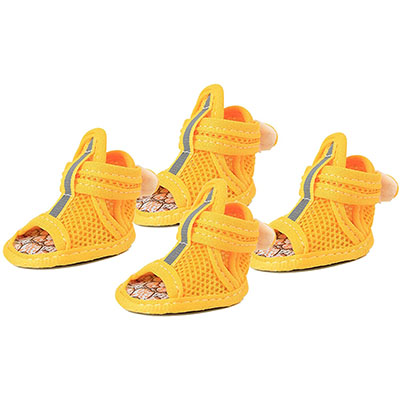
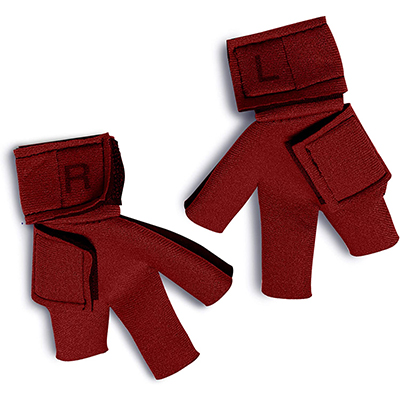
- Bandaging: Application of appropriate dressings (e.g., medical honey or antimicrobial ointments) and protective bandaging helps maintain a clean, moist environment conducive to healing. Bandages should be changed regularly to remain clean and dry. A variety of bandages have been described such as “ball” in which the foot is bandaged into a ball, a “snowshoe” in which the bandage is flat bottomed to disperse the weight over a larger surface area, or a bandage that puts no weight on the bottom of the foot by strapping a U-shaped bar to the leg or making a donut with a pool noodle or other material. Changing the bandage frequently to keep it clean and dry is necessary.
- Debridement:Surgical removal of necrotic or infected tissue may be required in moderate to severe cases and should be performed by a veterinarian.
- Antibiotic therapy: Systemic antibiotics may be necessary and should ideally be selected based on culture and sensitivity testing. Commonly used classes include cephalosporins, fluoroquinolones, lincomycin, and clindamycin. In cases involving osteomyelitis, agents such as enrofloxacin or chloramphenicol may be considered.
Post-treatment care is critical and includes diligent wound management, bandage maintenance, and ensuring a clean environment to promote healing.