Veterinary advice should be sought from your local veterinarian before applying any treatment or vaccine. Not sure who to use? Look up veterinarians who specialize in poultry using our directory listing. Find me a Vet
Cloacal Prolapse
Other Names: Vent Blow Out, Vent Prolapse
Cloacal or vent prolapse is a condition where the inner tissues of the cloaca protrude from the vent, exposing intestine(s), cloaca or oviduct. It appears as a swollen haemorrhagic mass protruding through the vent. There are a variety of underlying factors that can lead to a cloacal prolapse in chickens. These include:
Reproductive issues: Oviduct impaction and egg binding).
Enlarged abdomen:Ascites or coelomic masses causing compression.
Tumors
Gastrointestinal impaction
Constipation or tenesmus
Dehydration
Enteritis
Obesity
Age-related hormonal alterations
Early recognition and proper management of a cloacal prolapse is essential. The longer the tissue remains outside the hen's body, the higher the risk of secondary bacterial infection and damage to the tissues. Prolapsed tissue may also attract the attention of other flock members, who can severely damage the tissue.
Case 1: Vegetative endocarditis in a bird with a history of intermit in a Cockatoo A 15-year-old, female cockatoo was presented with a history of intermittent cloacal prolapse of 1-year duration. After each prolapse, the owner would digitally reduce the distended cloacal tissue within approximately 12–24 hours, for short-term resolution. The cockatoo was examined 3 times over a 7-month period and received supportive care with leuprolide acetate, behavioral modification, and diet change. After the third examination, the owner decided to proceed with a surgical cloacopexy. Five days after the last examination and before the procedure was scheduled, the cockatoo was reexamined for acute onset of weakness, anorexia, lethargy, and right-leg paresis. Despite supportive treatment, the cockatoo's clinical condition declined, and it went into respiratory arrest. Resuscitative efforts, including manual ventilation and cardiovascular support, were unsuccessful, and the bird died. Results of postmortem examination revealed vegetative endocarditis with intralesional bacteria cultured as Staphylococcus aureus, right-hindlimb myonecrosis, hepatitis, and nephritis. Ref
Isolate the bird from the flock and place in a safe, comfortable, warm location (your own chicken "intensive care unit") with easy access to water and food.
Treatment depends on the severity, level of contamination and underlying cause.
Gently clean the tissue with luke warm water.
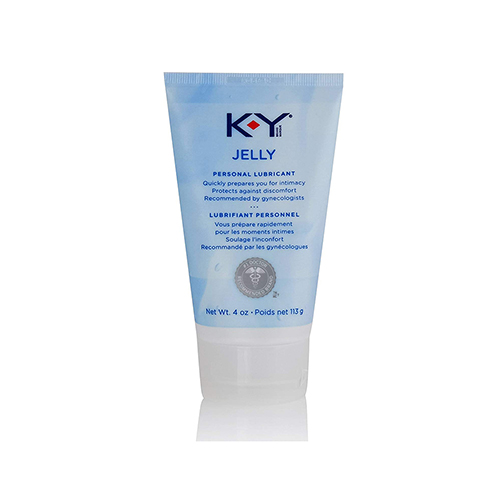
For mild cases that are discovered early, you may be able to push the tissue back inside the hen after coating it with a mixture of KY Jelly and granulated sugar.